Physical Address
304 North Cardinal St.
Dorchester Center, MA 02124
Physical Address
304 North Cardinal St.
Dorchester Center, MA 02124


Proton-pump inhibitors (PPIs) like omeprazole are routinely prescribed for conditions like heartburn and inflammation or ulceration of the stomach or intestines. But their long-term use has been associated with adverse issues, including gastrointestinal infections, microscopic stomach and intestinal inflammation, malabsorption…

Why are more young people being diagnosed with colon cancer? When should people get screening colonoscopies? Which foods are linked to colon cancer? What’s the connection between inflammation and cancer? How does exercise impact inflammation? What’s the No. 1 way…
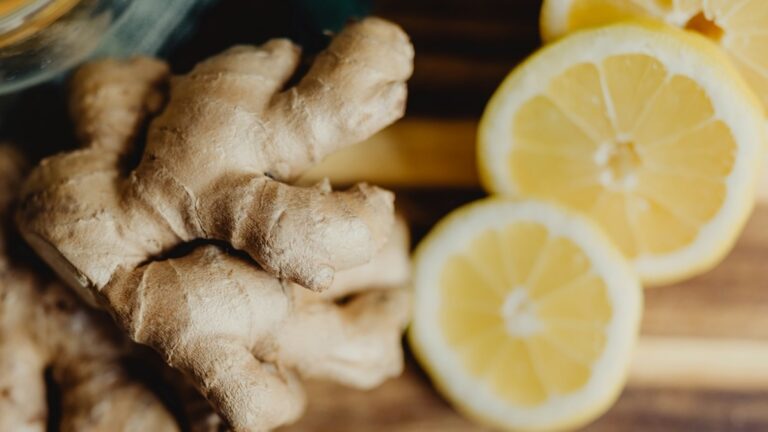
Here are a few home remedies for stomach pain, including a low-residue diet, a low-FODMAPs diet, and ginger. Always seek medical help, however, if you’re experiencing sudden or severe stomach pain, or pain that continues to worsen and doesn’t go away. Read more at…
…our microbiome actually helps to shape our immune system…this is important because we know today that inflammation is very relevant to our health. Low-level inflammation or chronic inflammation is tied to nearly all of our modern disorders. So when you…

Gut health is intricately tied to the trillions of bacteria, viruses, protozoa, and fungi that live inside our intestines. Together, these germs make up the gut microbiome, a rich ecosystem with a metabolic capacity that exceeds that of the liver.…
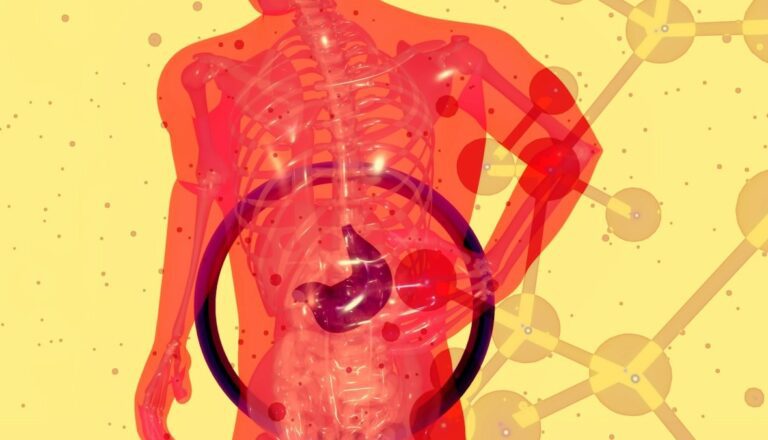
Where does intestinal gas come from? It’s normal and healthy to produce some gas in the GI tract. Many people who think they have excess gas actually fall within the normal range. Gas in the intestines comes from the air…
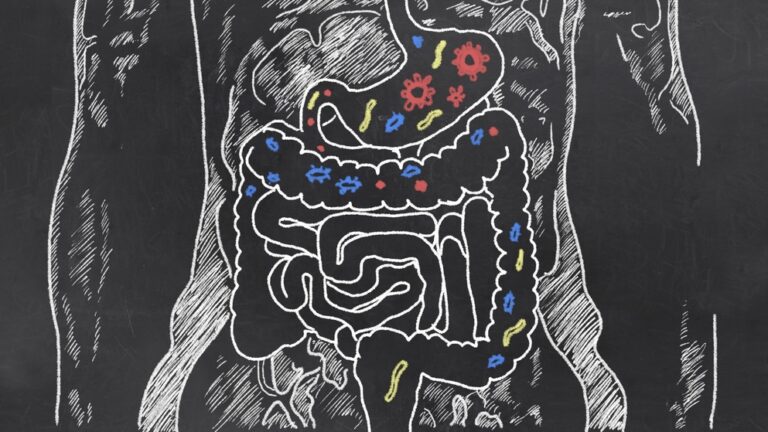
March is colorectal cancer (CRC) awareness month. The American Cancer Society now recommends that people at average risk for CRC start regular screening at age 45. What are some things you should know about prevention and getting screened? What can you…
Recently, two studies published in Cell on probiotics have been getting a lot of attention. I’ve written previously about probiotics, including when it would be appropriate to take a supplement, how to pick a supplement if you are going to take one, and the…
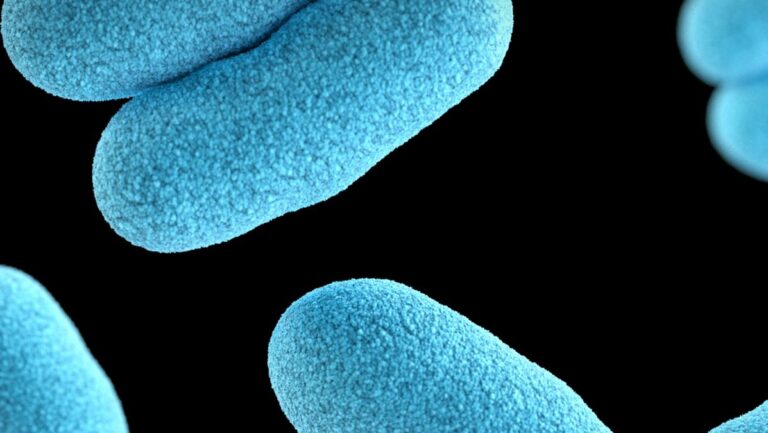
We know that antibiotics can be life-saving, but they can also wreak havoc on your gut microbiome. Antibiotics can wipe out bacterial species and decrease the diversity of the gut microbiome, so don’t take them unless there’s a good reason…
Probiotics are good bacteria. They can restore the biodiversity within the microbiome, fight pathogenic organisms and help heal the gut mucosa. Healthy people should include a few tablespoons of fermented foods, which are rich in probiotics, in their daily diet. …